
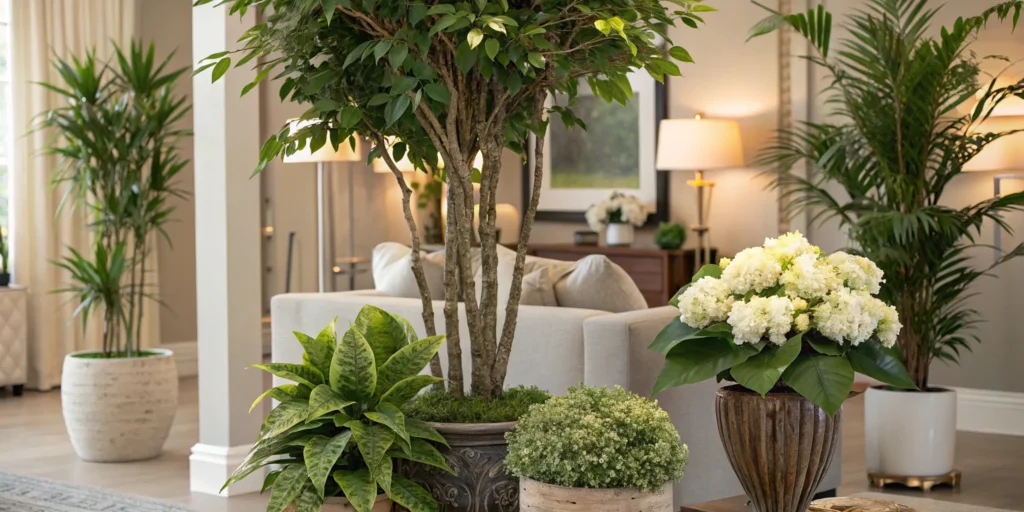
Are you looking for the best plants for your decoration? Artificial plants become an easy way to bring fresh greenery into any space without watering, sunlight, or special care. Today’s fake plants—from tall trees to small houseplants and silk flowers—look so realistic that many people need to touch the leaves to tell they are not real.
Among the materials available, plastic and silk are the two most common. Both offer unique benefits, different levels of realism, and different applications. However, they have distinct characteristics that make each better suited for specific areas.
Which option is best for your home, office, or commercial project? The choice between Plastic Plants vs Silk Plants is crucial for long-term satisfaction. At FeelReal, we leverage decades of manufacturing expertise to provide a definitive comparison. You’ll learn the truth about their realism, longevity, application, and ultimate value. Let our factory experience guide your decision to ensure you select the perfect faux option for your décor needs.
The Material: What Are Plastic and Silk Artificial Plants Made Of?
Plastic faux plants are manufactured primarily from polyethylene (PE), polyvinyl chloride (PVC), or polypropylene (PP). Silk plants use polyester fabric treated for texture and durability. The material directly impacts appearance, longevity, and performance. From our factory experience, material quality matters more than material type. Premium plastic can outperform low quality silk in both realism and lifespan.
Nowadays, the manufacturing process has evolved significantly. Modern injection molding and fabric treatment technologies allow both plastic and silk to achieve impressive realism.
Materials Used in Plastic Fake Plants
Plastic faux plants typically use three main polymers. PE (polyethylene) offers flexibility and weather resistance, so it is ideal for outdoor faux greenery. This material withstands UV exposure better than other plastics. At Feel, we use PE for outdoor trees, hedges, and large-scale installations.
PVC (polyvinyl chloride) provides rigidity and sharp detail. It’s perfect for structured leaves like succulents or tropical houseplants. The material holds intricate veining and texture well. However, PVC has lower UV resistance than PE.
PP (polypropylene) balances flexibility and durability. It’s commonly used for indoor artificial flowers and foliage. The material accepts color treatments well, resulting in vibrant, fade-resistant greenery for sale.
Modern plastic plants often combine materials. Stems might use wire-reinforced plastic for bendability. Leaves use different plastics based on the plant type being replicated. This multi-material approach creates more realistic artificial plants.
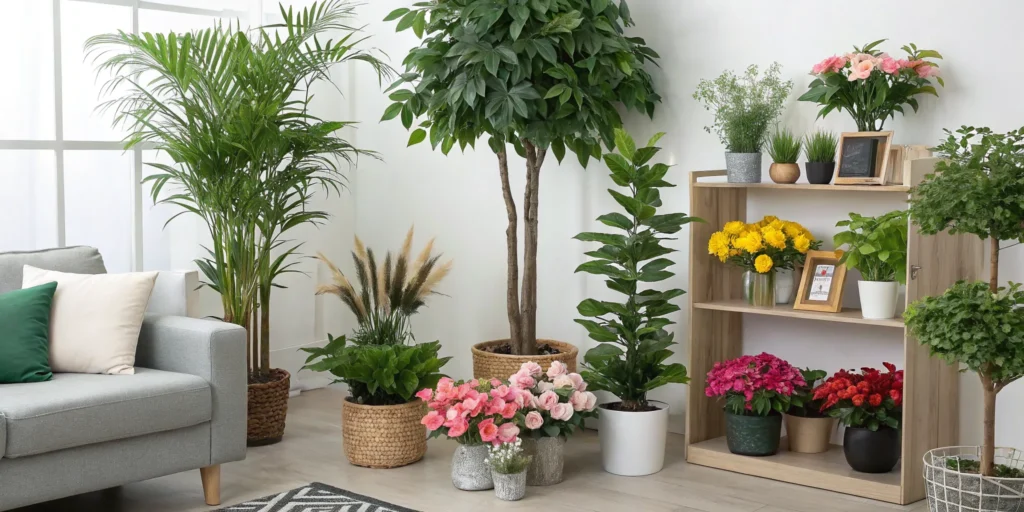
Materials Used in Silk Artificial Plants
Despite the name, silk artificial plants don’t actually contain silk. They’re made from polyester fabric treated with special coatings for texture, sheen, and durability. The term “silk” refers to the soft, natural-looking finish these plants achieve.
At FeelReal, the polyester fabric undergoes multiple treatments. First, we print realistic colors and veining patterns. Then we apply texture treatments to mimic natural leaf surfaces. Wire frames provide structure and flexibility. Stems contain wrapped wire that allows for repositioning. This adjustability is a major advantage over rigid plastic alternatives for indoor arrangements.
How Modern Manufacturing Affects Quality and Realism?
Manufacturing technology has revolutionized artificial plants. Gone are the days of shiny, fake plastic. Today, advanced injection molding and digital printing replicate natural textures and color variations with photographic precision.
Crucially, modern plastic artificial plants use high-grade “fresh” PE. In our factory, UV-stabilized colorants are mixed directly into the plastic during the molding process, not merely surface-applied. This ensures lasting color and prevents fading over years of sun exposure. While digital printing enhances silk flowers, the industry trend strongly favors molded plastics for foliage, as they capture realistic 3D textures that flat fabric simply cannot.
Plastic vs Silk Artificial Plants: Which Looks More Realistic?
In close-up viewing, high-quality silk plants typically appear more realistic due to their soft texture and natural movement. but premium plastic plants excel at maintaining consistent appearance and outdoor realism.
Realism comes from multiple factors working together. Material quality matters, but so do color accuracy, texture variation, and structural design. The most convincing artificial greenery combines realistic materials with botanically accurate shapes and natural-looking imperfections.
Leaf Texture and Surface Detail Comparison
Plastic leaves offer crisp, consistent detail. Modern injection molding captures vein patterns and surface texture with precision. The rigid material holds these details permanently. Plastic works exceptionally well for glossy-leaved plants like monstera or rubber trees.
However, plastic has limitations with soft, delicate plants. Ferns, herbs, and flowering plants often look more natural in silk. The fabric’s flexibility creates natural movement and drape that plastic can’t replicate. When you touch silk greenery, it responds like real foliage.
Surface treatments make a significant difference. Premium plastic plants receive matte or semi-gloss coatings that reduce artificial shine. High-end silk plants get texture treatments that mimic waxy or fuzzy leaf surfaces. These finishing touches elevate realism substantially.

Color Depth, Veining, and Finish Quality
Color depth separates premium from cheap fake plants. Quality plastic plants use multi-layer color injection that creates dimensional color variation within each leaf. Silk plants achieve color depth through layered printing and translucency. The best silk flowers show gradient color shifts.
Finish quality affects perceived realism significantly. Natural plants aren’t uniformly colored—they have spots, color variations, and subtle imperfections. The best artificial plants intentionally include these “flaws.” Some leaves have brown edges, others show color gradients. This imperfection paradoxically makes them look more real.
When Plastic Looks More Realistic
Plastic artificial plants excel with specific plant types and conditions. For outdoor tall trees, hedges, and succulent varieties, plastic consistently delivers better long-term realism. The material withstands weather without degrading visually.
Large-scale installations benefit from plastic’s consistency. When you need 50 identical boxwood panels or a 15-foot palm tree, plastic maintains uniform appearance.
Glossy-leaved tropical plants look exceptional in plastic. Monstera, palm leaves, and rubber tree plants have naturally shiny surfaces. High-grade plastic replicates this sheen perfectly. Silk fabric can’t achieve the same glossy finish without looking artificial.
Direct sunlight exposure favors plastic. UV-stabilized plastic maintains its color and structure for years outdoors. We’ve seen premium plastic plants retain 90% of their original appearance after 3-5 years of full sun exposure. Silk typically shows noticeable fading within 18-24 months outdoors.
When Silk Looks More Realistic
Silk artificial plants dominate indoor luxury settings. For delicate flowers, fine-leaved plants, and arrangements requiring natural drape and movement, silk delivers superior visual appeal. The material’s softness and flexibility create organic positioning that plastic can’t match.
Close-viewing applications favor silk. In wedding centerpieces, boutique hotels, or high-end restaurants where people see plants up close, silk’s texture and detail shine.
Hanging and cascading plants work best in silk. The fabric’s natural drape creates flowing, graceful shapes. Trailing pothos, hanging ferns, or cascading ivy look significantly more natural in silk. Plastic versions often look stiff and artificial in these applications.
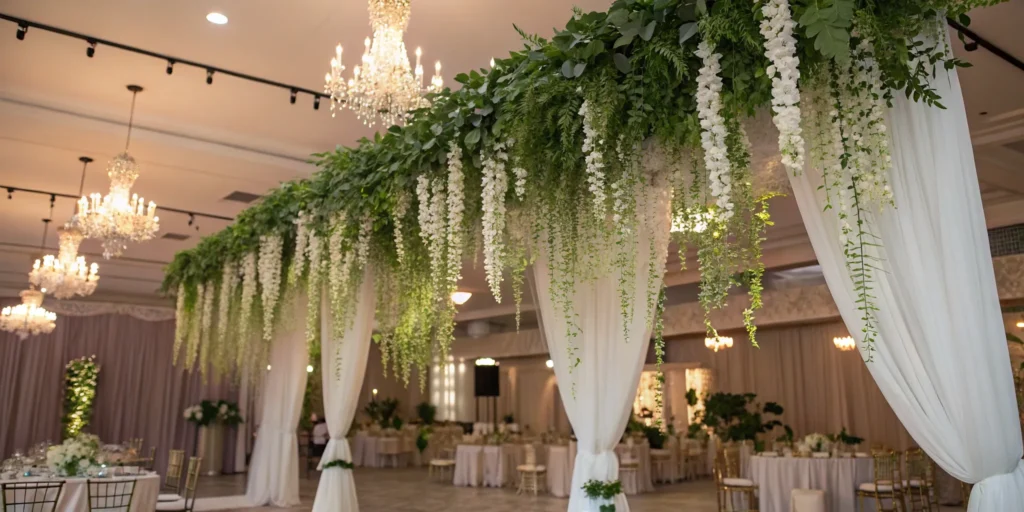
Plastic VS Silk Artificial Plants: Which Lasts Longer?
Plastic artificial plants typically last 5-10 years outdoors and indefinitely indoors, while silk plants last 3-5 years indoors but only 1-2 years outdoors without protective measures. Durability depends heavily on environmental exposure and material quality. From our factory testing, UV exposure causes the most significant degradation for both materials, but plastic handles it far better.
The lifespan difference between materials is substantial in harsh conditions. Outdoor plastic plants maintain structural integrity and appearance through years of sun, rain, and temperature fluctuations. Silk plants require protected outdoor spaces or indoor placement for optimal longevity.
UV radiation is the primary enemy of artificial greenery. Premium plastic plants incorporate UV stabilizers directly into the material, providing protection that lasts the product’s entire life.
We test our outdoor plastic plants under accelerated UV exposure equivalent to 5 years of direct sunlight. Quality products show minimal color change—typically less than 10% fade. The plastic remains flexible and doesn’t become brittle with exposure.
Silk plants handle UV exposure poorly without treatment. Untreated polyester fabric fades quickly in direct sunlight. The colors bleach out, and the fabric can weaken. However, modern silk plants receive UV-protective coatings that extend outdoor life to 12-18 months in full sun.
For indoor use, UV concerns are minimal. Both materials perform excellently away from direct sunlight.
Application: Where Should You Use Plastic or Silk Plants?
Plastic fake plants are the best choice for outdoor landscapes, high-traffic commercial areas, and direct sunlight exposure. Silk plants excel in indoor luxury settings, close-viewing applications, and arrangements requiring natural movement. Matching material to environment ensures optimal appearance and longevity. We recommend assessing three factors: sun exposure level, viewing distance, and interaction frequency.
Best Use Cases for Plastic Artificial Plants
Outdoor landscaping is plastic’s primary domain. Use plastic for artificial hedges, privacy screens, outdoor trees, and ground cover where weather resistance is essential. These applications demand UV stability and moisture resistance that only plastic provides reliably.
Commercial exteriors benefit from plastic’s durability. Building facades, rooftop gardens, and outdoor dining areas need plants that maintain appearance without constant replacement. Plastic artificial greenery handles these demanding conditions while keeping maintenance costs low.
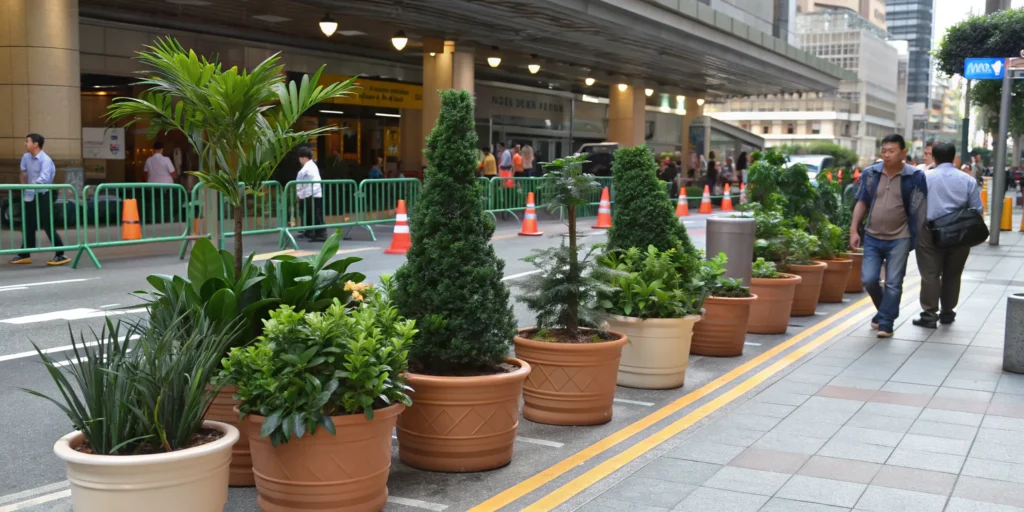
High-traffic indoor areas favor plastic construction. Shopping mall planters, airport installations, and hotel lobbies experience constant foot traffic. Plastic plants tolerate accidental bumps, touching, and frequent cleaning without showing wear. They’re the practical choice for public spaces.
Direct sunlight rooms need plastic plants. Conservatories, sunrooms, and south-facing windows receive intense UV exposure. Plastic artificial plants maintain their color and structure in these challenging indoor conditions. They’re perfect for bright spaces where real plants would require constant care.
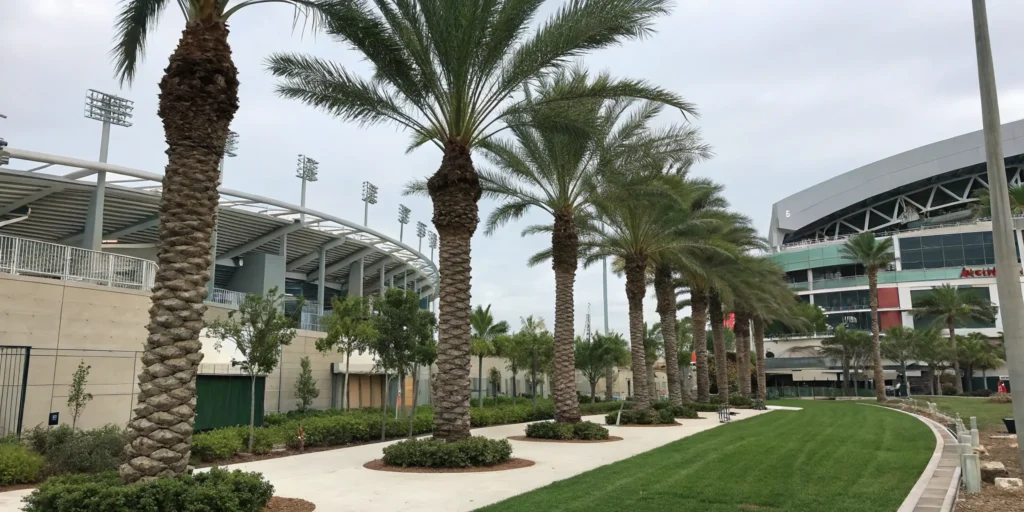
Large-scale installations work best in plastic. When you need uniformity across dozens or hundreds of plants, plastic delivers consistent appearance and quality. Commercial landscaping projects, stadium decoration, and large venue installations benefit from plastic’s scalability and reliability.
Best Use Cases for Silk Artificial Plants
Luxury interior design showcases silk’s advantages. High-end residential spaces, boutique hotels, executive offices, and upscale retail environments call for silk’s superior texture and realism.
Reception desk plants, dining table centerpieces, and coffee table arrangements receive up-close inspection. Silk’s soft texture and detailed printing pass close examination better than most plastic alternatives.
Floral arrangements are silk’s specialty. Artificial flowers look significantly more realistic in silk than plastic. The fabric’s translucency, color depth, and petal flexibility create convincing blooms. For weddings, events, or permanent floral displays, silk delivers unmatched realism.
Adjustable arrangements benefit from silk’s flexibility. Interior designers appreciate the ability to bend, shape, and reposition silk plants. Creating custom looks in decorative pots or unique containers is easier with silk’s wire-reinforced stems. This adaptability is valuable for styled spaces.
Protected outdoor elegance uses silk strategically. Covered balconies, screened porches, and shaded courtyards can incorporate silk plants for their superior appearance. The key is ensuring protection from direct weather while leveraging silk’s aesthetic advantages in semi-outdoor living spaces.
Care and Maintenance: Plastic vs Silk Faux Plants
Plastic artificial plants require less frequent cleaning. Silk plants need gentle care but dust less noticeably due to their textured surface. Maintenance effort is similar overall—both materials are dramatically easier than real plants. From our customer feedback, most people clean their artificial plants 3-5 times yearly, regardless of material.
Maintenance primarily involves dust removal and occasional deep cleaning. Neither material requires watering, pruning, or pest control. This simplicity is why artificial plants have become the preferred choice for busy households and commercial spaces.
Cleaning Requirements for Plastic Plants
Plastic artificial plants tolerate robust cleaning methods. Simply rinse outdoor plastic plants with a garden hose to remove dust and debris. Use a soft brush or microfiber cloth to remove surface dust. For deeper cleaning, wipe leaves with a damp cloth. Some people use compressed air for intricate designs with hard-to-reach areas.
Stubborn dirt or grime responds to mild soap solutions. Mix gentle dish soap with water, wipe the plants, then rinse with clean water. Avoid harsh chemicals that might damage color or finish. This occasional deep cleaning restores the original appearance.
Cleaning Requirements for Silk Plants
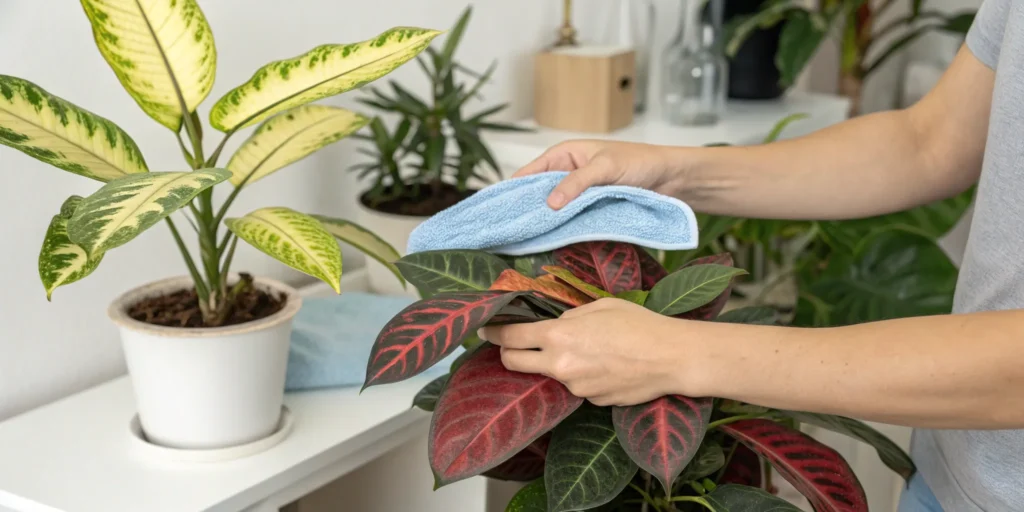
Silk artificial plants require more delicate handling. Dust silk plants with a soft-bristled brush, feather duster, or compressed air to avoid damaging the fabric.
For light dust, simply blow compressed air across the leaves. This quick method works well for regular maintenance. For deeper cleaning, wipe the leaves gently with a slightly damp microfiber cloth, taking care not to soak the fabric. Avoid harsh cleaners or excessive moisture, as they can cause the silk fibers to lose color or become misshapen.
Cost Analysis: Plastic vs Silk Artificial Plants
Plastic artificial plants typically cost 30-50% less than comparable silk plants upfront, but both materials offer similar long-term value when properly matched to their ideal applications. Initial price differences are significant, but total cost of ownership depends on replacement frequency and maintenance needs.
Plastic artificial plants cost less to manufacture and purchase. Expect to pay $20-80 for quality plastic houseplants in pots, while comparable silk plants range from $35-100. The material cost difference translates directly to retail pricing.
Manufacturing complexity explains silk’s premium pricing. Fabric printing, layering, and hand assembly require more labor than injection-molded plastic. Each silk leaf may receive individual attention during production, increasing costs. Plastic production is more automated and scalable.
Plant size and complexity affect pricing for both materials. Small artificial flowers or single-stem plants show minimal price difference. Large trees or complex arrangements show substantial gaps. The size amplifies material cost differences.
Premium quality commands higher prices in both categories. High-end plastic plants with botanical accuracy and superior UV protection cost more than basic plastic. Similarly, luxury silk plants with hand-painted details and reinforced construction exceed standard silk pricing. Quality matters more than material type for premium products.
To better understand the factors that drive the price differences, read our detailed breakdown on the Cost Analysis of Fake Plants.
How to Choose Between Plastic and Silk Greenery
Evaluate your primary use case first: outdoor or direct sun exposure requires plastic, while indoor luxury settings and close-viewing applications favor silk. If budget is the primary constraint, plastic provides excellent results across most applications. For maximum realism in protected indoor spaces, invest in silk. Most successful installations use both materials strategically.
Key Factors to Consider: Location, Budget, Realism
Location is the primary decision factor. Outdoor placement, direct sunlight exposure, or weather exposure requires plastic artificial plants for durability and longevity. Silk plants won’t perform satisfactorily in these conditions long-term.
Indoor climate-controlled spaces allow material choice flexibility. Here, budget and realism preferences become deciding factors. If working with limited budget, choose quality plastic over low-grade silk. If seeking maximum realism for a luxury space, invest in premium silk.
High-traffic areas with frequent touching or accidental contact favor plastic’s durability. Low-traffic, look-but-don’t-touch environments allow silk’s delicate beauty to shine. Consider who uses the space and how they’ll interact with the greenery.
What Professionals (Designers, Landscapers) Prefer
Interior designers increasingly specify silk for residential projects. High-end designers prioritize appearance and texture over cost, making silk the preferred choice for luxury homes and boutique commercial spaces. The material’s flexibility and realistic appearance support their creative vision.
Commercial landscape designers rely on plastic for outdoor projects. The material’s proven outdoor performance and low maintenance make it the professional standard for artificial landscape installations. UV resistance and weather tolerance ensure projects look good for years without service calls.
Event planners mix both materials strategically. Background greenery and structural elements use plastic for durability during setup and breakdown. Focal points and table arrangements use silk for photographic appeal. This hybrid approach optimizes both budget and appearance for temporary installations.
Hotel and hospitality designers evaluate based on specific spaces. Outdoor areas, pool decks, and rooftop bars use plastic exclusively. Luxury suite décor, lobby arrangements, and restaurant dining rooms incorporate silk for premium aesthetics. Budget-conscious hotel brands use quality plastic throughout.
Office space planners typically choose plastic for cost and durability. The material’s longevity and easy maintenance suit corporate environments. Progressive companies creating biophilic workspaces may invest in silk for executive areas and client-facing spaces while using plastic for general office greenery.
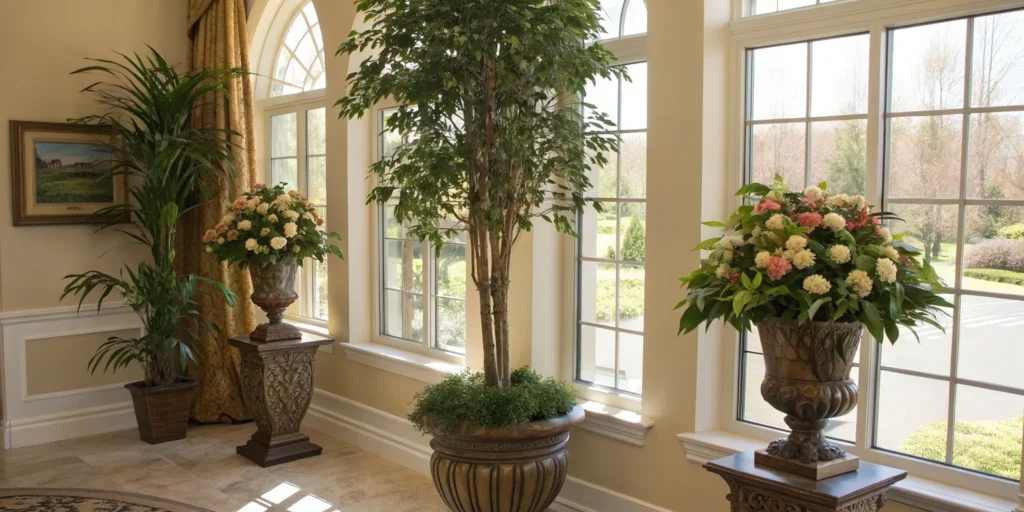
Home Decoration Experts and Stylists: For high-end home decoration, stylists often recommend a blend. Plastic artificial plants are chosen for tall trees or large houseplants in sunny windows due to longevity. However, silk is preferred for small, decorative flower arrangements and mantlepiece décor where close-up tactile realism is essential and sun exposure is minimal. They prioritize silk in low-light, high-visibility indoor spaces and plastic in direct light or high-traffic areas.
FAQs About Artificial Plants
1. Are Plastic and Silk Artificial Plants eco-friendly?
Their sustainability lies in longevity. By investing in high-quality, durable Artificial Plants, you minimize the need for frequent replacement, which significantly reduces the waste cycle and long-term environmental footprint.
2. Are Plastic Artificial Plants safe for homes with kids and pets?
Modern Plastic Artificial Plants are safe. Unlike real houseplants, they are non-toxic, which is safer for curious pets and kids who might ingest a leaf. Choose high-quality plastic plants where components are firmly molded and avoid plants with small, sharp, or easily swallowed pieces to ensure the best safety for your children and pets.
3. Which material (Plastic or Silk) is better for aquariums and fish tanks?
Plastic Artificial Plants are the preferred choice for aquariums and fish tanks. Unlike silk plants, plastic will not degrade, leach dyes into the water, or absorb moisture that can lead to mold or bacterial growth.
4. What should I look for when buying fake plants for my aquarium?
When buying fake plants for your aquarium, always prioritize: 1) Non-toxic materials 2) Plastic over silk for durability and water integrity, and 3) Smooth edges to ensure the leaves and stems won’t snag or injure your fish.
About FeelReal Artificial Plants
FeelReal provides the best in artificial greenery, specializing in hyper-realistic, durable plastic artificial plants and tall trees perfect for commercial and residential installations. We are experts in UV technology, ensuring our fake plants maintain their color and integrity for years.
Our factory produces everything from small potted houseplants to tall artificial trees for commercial installations. We control quality at every manufacturing stage—material selection, molding or fabric treatment, assembly, and final inspection. This quality control ensures consistent realism and durability across our entire product range.
We work directly with wholesalers, interior designers, landscape architects, and commercial buyers to specify the right material for each application.
Visit our website or contact our customer service team to start your project consultation. We’re committed to helping you select the best artificial greenery—whether plastic or silk for beautiful, durable, low-maintenance results.

