
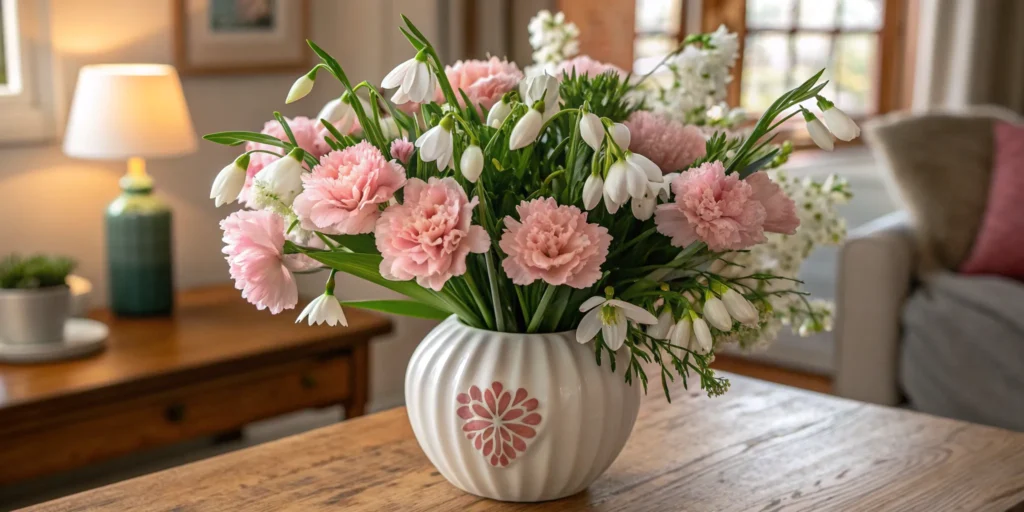
January is a month of quiet strength. The holidays are over, and the world feels fresh. It is a time for new beginnings and setting goals. This sense of starting over is perfectly captured by the birth flower january.
If you were born this month, or if you are looking for a gift for a loved one, you probably want to know what flower is january. Unlike some months that only have one, January has two beautiful blooms: the Carnation and the Snowdrop. Both are symbols of resilience.
Let’s look at why these january flowers are so special and how they represent those born in the first month of the year.
What Is January’s Birth Flower?
January has two official birth flowers: carnations and snowdrops. They reflect strength, patience, and the ability to move forward during cold, quiet months. January-born people often connect with this message.
Birth flowers have a long history. They date back hundreds of years. In Victorian times, people used flowers to share emotions with flowers. The carnation, the primary jan birth flower, is one of the oldest cultivated flowers in the world.
The snowdrop is the secondary month flower for January. It is small and bell-shaped. Because it blooms so early, it symbolizes hope, renewal, and fresh beginnings.
Why Carnations Represent January?
Here’s something that might surprise you. Carnations don’t naturally bloom in January. They’re actually late spring and summer flowers. So why did they become the Jan birth flower?
The answer lies in what carnations represent, not when they grow. These flowers symbolize warmth, love, and endurance—exactly what we need during the coldest, darkest month.
Carnations have an impressive history. Ancient Greeks and Romans used them in ceremonies and celebrations. The name might come from “coronation” because they were woven into ceremonial crowns. Others say it comes from the Latin word “carnis,” meaning flesh, referring to their original pink color.
There’s also a practical reason. Carnations last incredibly long as cut flowers. Some stay fresh for three weeks or more. This endurance mirrors the strength required to be born in winter’s depths. When you’re choosing a month flower for January, you want something that won’t give up easily.
The carnation delivers on that promise. It’s hardy, resilient, and keeps its beauty even when conditions aren’t perfect.

What Do the Different Carnation Colors Mean?
One reason carnations remain so popular is their wide range of colors. Each color carries a slightly different message. This gives you flexibility when choosing a flower for January.
What Do Pink Carnations Mean?
Pink carnations carry the deepest history. They symbolize a mother’s undying love. Legend says they first appeared from the Virgin Mary’s tears as she watched Jesus carry the cross. This is why pink carnations became associated with maternal affection. If you’re celebrating a January-born mother, these are perfect.
Why Choose Red Carnations?
Red carnations speak of admiration and deep love. They’re bold and passionate. Give these to someone you love romantically, and the message is clear. You’re saying, “I admire you deeply and my love is strong.”
What Do White Carnations Represent?
White carnations represent pure love, good luck, and innocence. They appear in weddings and celebrations of new beginnings. For someone born in January—the month of fresh starts—white carnations feel especially appropriate.
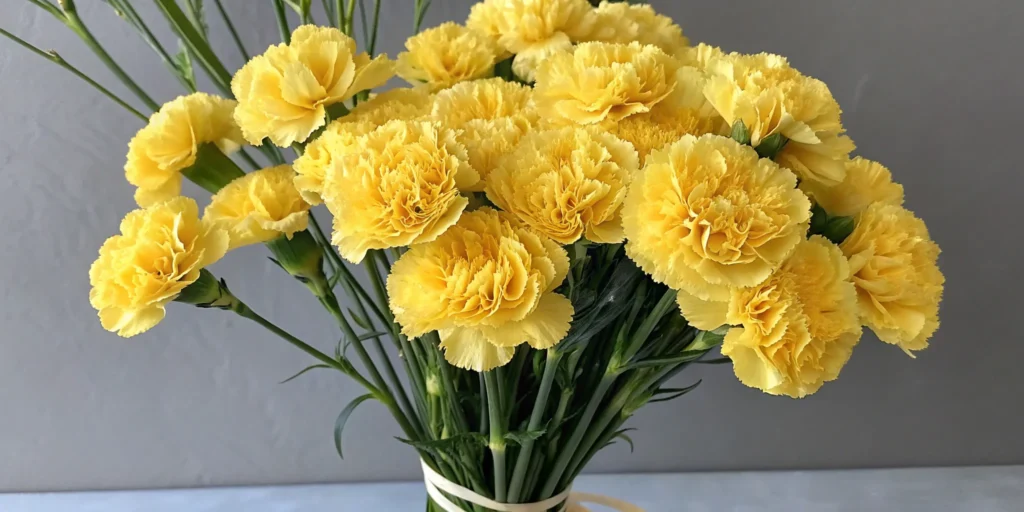
What Is the Meaning of Yellow Carnation?
Yellow carnations have a complicated past. Traditionally they meant disappointment or rejection. But modern meanings have shifted. Now they often represent friendship, joy, and lightheartedness.
Understanding these meanings helps you choose the right birthday flower for January. You’re not just giving flowers. You’re sending a specific message.
What Makes Snowdrops Special?
If the Carnation is about strength, the Snowdrop is about hope. It is one of the first flowers to appear at the end of winter. Sometimes, you can see them poking their heads through a layer of snow.
As a birth flower january, the Snowdrop tells us that spring is coming. It is a small flower, but it carries a big message. It symbolizes rebirth and the ability to overcome obstacles. If this is your january flower birth, you are likely an optimist. You bring light into dark situations and help others see the bright side of life.
What Are the Meaning and Symbolism of the Snowdrop?
The symbolism behind snowdrops runs deep. When you’re thinking about “what flower is January,” the snowdrop’s meanings add something unique to carnations’ warmth.
Hope is the primary message. Seeing snowdrops bloom in frozen ground reminds us that better days are coming. Winter won’t last forever. Spring is on its way. For people born in January, this hopeful outlook often becomes part of their personality.
New beginnings and rebirth make snowdrops perfect for January. This is the month of resolutions, fresh starts, and turning over new leaves. The snowdrop literally represents rebirth, pushing new life through dead-looking ground.
In Victorian times, snowdrops carried messages of sympathy and hope. People gave them to friends facing difficulties. The message was gentle but clear: “This won’t last forever. Hold on.”
What Are Creative Ways to Use January Birth Flowers?
Knowing what is the birthday flower for january is useful for many parts of daily life. Here is how you can use these blooms practically.
Thoughtful Birthday Gifts with January Birth Flowers
Personalized Bouquets: One of the best ideas is to combine the january birthstone and flower. The Garnet is the birthstone, and its deep red color matches red carnations perfectly. Create large bouquets with long stems and dark red petals. It looks sophisticated and carries a deep message.
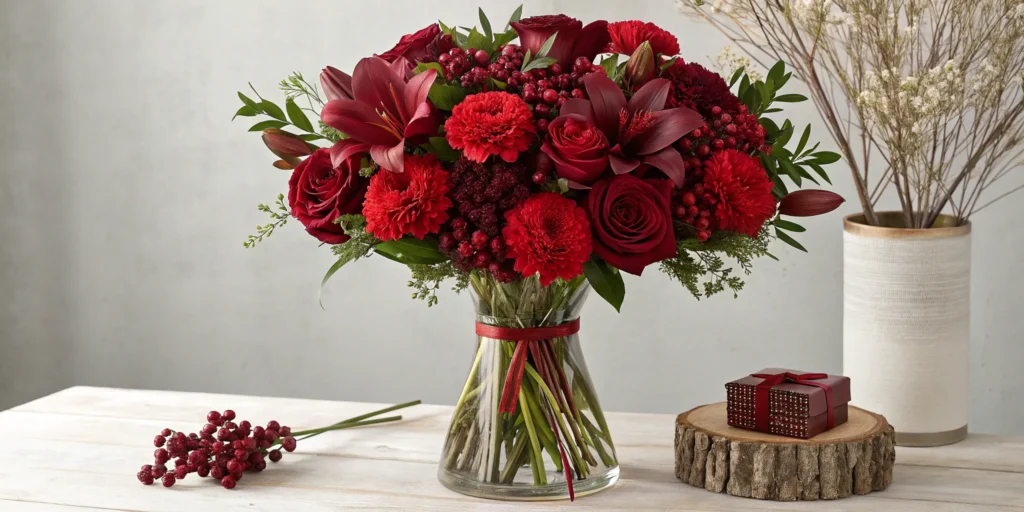
Gift Baskets: You can create floral baskets that include more than just flowers. Add some greenery, a Garnet-colored candle, and a few stems of carnations. It makes for a big and impressive gift.
Potted Options: Instead of cut flowers that wilt, try potted Snowdrops. They are a great gift because the recipient can move them outside to their garden once the weather warms up. They will bloom again next year, making it a gift that keeps on giving.
Home Décor and Interior Styling with January Birth Flowers
Using flowers in january is the best way to beat the “winter blues.” After the holiday lights come down, your indoor spaces might feel a bit empty.
The Modern Vase: For a clean, modern look, use a simple glass vase. Fill it with white carnations. Their ruffled petals create a soft texture that contrasts well with minimalist decor.
Office Greenery: A single carnation in a small bud vase is perfect for your desk. Since carnations are very hardy, they stay fresh even in a warm office. It adds a touch of life to your workspace without taking up too much room.
Hanging Arrangements: If you have a bright window, consider hanging small jars with Snowdrop stems. It brings a delicate, natural feel to your home.
Outdoor and Garden Uses for January Birth Flowers
Porch and Patio Styling: You can choose large artificial potted carnations near your porch or on your patio. They are tough enough to handle the cool air. If you choose bright colors, they will pop against the grey winter background.
Garden Accents: Snowdrops are good for adding subtle beauty to your garden borders. Because they are small, they look best when planted in groups. They act as the first sign of greenery after a long winter.
Entrance Decor: A large wreath on your front door featuring silk carnations is a great decoration. It makes your home feel welcoming before guests even step inside.
Special Events and Weddings with January Birth Flowers
If you are planning a wedding in the winter, the Jan birth flower is your best friend.
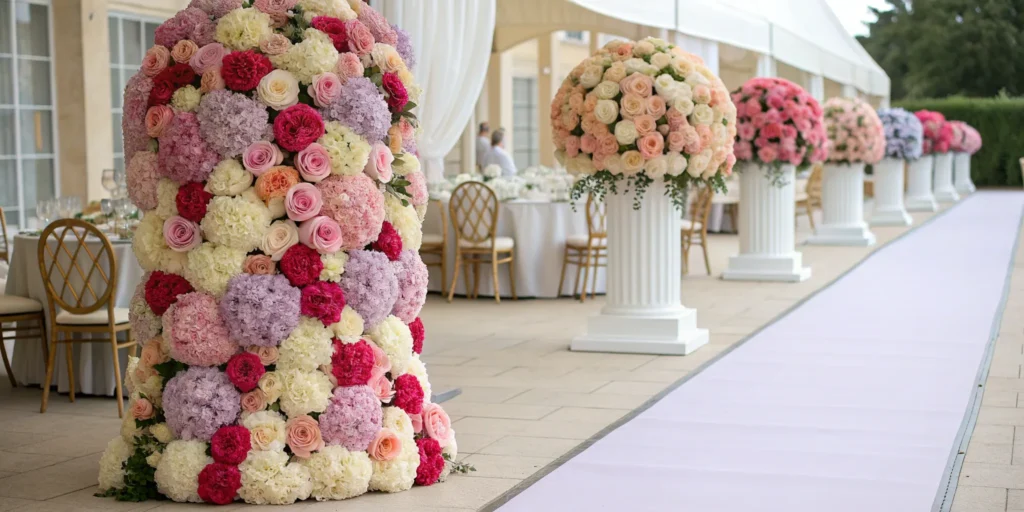
Wedding Arrangements: Carnations are often overlooked, but they are excellent for big floral arrangements. They are affordable and come in so many types. You can use them to create a “flower wall” or thick table runners.
Centerpieces: Use large bowls filled with carnation heads (just the petals) floating in water. It is a simple but elegant decoration for any winter event.
Why Artificial Alternatives Are a Smart Choice?
We all love the tradition of the flower month january. However, keeping fresh flowers alive is a challenge. Snowdrops are very delicate. They often die quickly once you pick them. Carnations are stronger, but they still need fresh water and a clean vase every day to stay good.
This is why many people now choose high-quality fake plants. Using faux floral arrangements allows you to enjoy the beauty of the season without the stress.
Here is why synthetic flowers are a good and practical choice:
Most Realistic Appearance: Modern material has changed everything. High-quality fabric and silk capture the ruffled petals of a Carnation perfectly. They look so lifelike and real that your guests will want to smell them!
Permanent Beauty: Your Jan birth flower will stay “in bloom” all year. Unlike real plants that wilt in a week, these types of flowers stay perfect forever.
Zero Maintenance: You don’t need to trim the stems or change messy water. This is a good solution for busy offices or indoor spaces. You can simply place them in pots or a vase and forget about them.
Weatherproof Durability: Artificial plants are often weatherproof. This makes them great for outdoor use on a porch or patio. They won’t fade in the wind or cold.
Better than Plastic: Forget the cheap plastic plants of the past. Today’s most Realistic options use premium material to mimic nature. Whether it is a lily, a rose, or a January Carnation, the quality is amazing.

Conclusion:
The flower for January represents strength and new beginnings. Whether you choose the sturdy Carnation or the hopeful Snowdrop, these blooms are a beautiful way to start the year.
Are you ready to upgrade your home or office decoration with the best artificial flowers? At FeelReal, we provide the most Realistic faux floral solutions on the market. With 20 years of experience, we know how to make synthetic plants look exactly like the real thing.
Let us help you find the best weatherproof and lifelike decor for your space!