

The old “real vs. Fake plants” debate is over. Today, artificial plants are a deliberate, high-end choice. From luxury homes to high-traffic commercial projects, faux greenery is shaping how spaces look, feel, and function.
As we close out 2025, our factory floor is already buzzing with orders for the coming year. This gives us a front-row seat to the trends of 2026. We’ve spent months talking to top designers, landscapers, and retailers to see what is actually working on the ground. Our latest data shows a clear shift. Professionals are no longer looking for “fillers.” They want hyper-realism, structural artistry, and long-term performance.
In this guide, we share our professional experience from the manufacturing side. We will explore why artificial plants continue to dominate interior design in 2026, the key trends shaping the market, and the best artificial plants and spaces to use them.
Why Artificial Plants Continue to Dominate Interior Design in 2026?
Low Maintenance and Zero Ongoing Care:
One of the strongest reasons artificial plants remain popular is simple: they require very less maintenance. There is no watering, pruning, fertilizing, or pest control. For both home and commercial places, this eliminates long-term operational concerns.
From our experience working with commercial clients, maintenance costs often matter more than initial product cost. Faux plants provide predictable, fixed expenses with no hidden upkeep.
Stable Appearance for Commercial and Residential Spaces
Unlike live plants, artificial plants do not change shape, shed leaves, or decline over time. This stability is critical for premium commercial interiors where visual consistency matters.
Artificial plants offer something live ones simply can’t: total visual consistency. This is vital for premium brands and luxury homes. When a developer creates a specific look, they want it to stay that way.
Think about a perfectly proportioned Fiddle Leaf Fig in a modern living room. With our plants, that tree looks exactly the same on Day 1 and Day 1,000. It doesn’t matter if the room is too dark or the air conditioning is too cold. You get a permanent design guarantee.

Higher Realism Through Advanced Materials
Material technology has advanced significantly. Modern silk, PE, and fabric blends allow artificial plants to replicate natural leaf veins, soft edges, and organic movement.
The manufacturing innovations we’ve implemented in 2025-2026 have revolutionized product quality. New-generation polyethylene blends combined with advanced printing techniques now reproduce the subtle color variations, vein patterns, and natural imperfections found in living foliage.
At our factory, the research and development team has perfected “real-touch” coating technologies. FeelReal artificial Indoor plants replicate the tactile qualities of actual leaves—slightly waxy, subtly textured, and convincingly organic.
Through collaborative feedback sessions with landscape architects, we’ve refined stem flexibility, leaf arrangement patterns, and even incorporated intentional “imperfections” that make plants appear more realistic.
Ideal for Poor Light and Indoor Air Conditions
Many interior spaces simply cannot support live plants. Limited daylight, air conditioning, and sealed environments make real greenery difficult to maintain.
Artificial plants solve this problem entirely. They perform well in windowless offices, underground spaces, malls, airports, and interior corridors.
Growing Demand for Customization
Greenery customization is no longer optional. Our customers increasingly request specific sizes, canopy shapes, pot styles, and color tones to fit their brands and projects.
From a factory standpoint, this trend has transformed fake plants from standard products into design components tailored for each space.
At FeelReal, our factory now offers extensive personalization options. We can adjust plant heights to precise specifications, modify foliage density, alter color tones to complement specific palettes, and even create hybrid configurations that don’t exist in nature.
What Are the Key Trends Shaping Artificial Greenery in 2026?
High-Realism Silk Plants with Real-Touch Natural Texture
Realism remains the top priority. High-quality silk plants with real-touch finishes dominate interior specifications.
Customers prefer foliage that feels soft, bends naturally without a glossy or artificial shine. These plants work especially well in lounges, reception areas, and residential interiors where guests interact with them closely.
Large Artificial Trees as Interior Focal Points
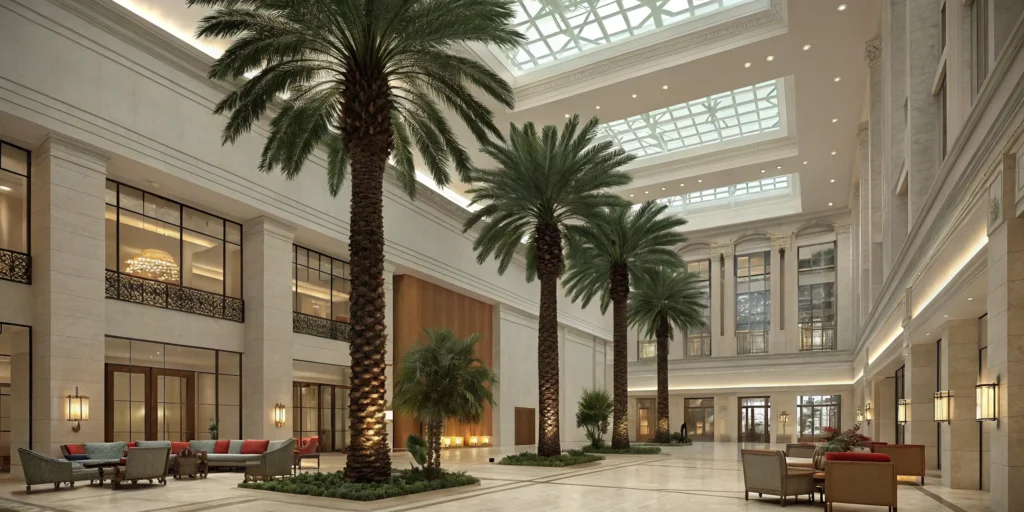
Tall artificial trees have become architectural features rather than accessories. Big olive trees, ficus trees, palms, and statement foliage anchor open spaces and define zones.
We often collaborate with designers and landscapers to adjust plant height, trunk thickness, branching direction, and crown density. These trees provide height, scale, and visual drama without the challenges of live trees.
Modular Vertical Green Walls for Commercial Interiors
Decorative vertical greenery continues to grow in popularity, especially in offices, hospitality, and retail environments.
Modular green wall systems allow designers to adapt installations to different wall sizes and layouts. From brand feature walls to reception backdrops, faux green walls offer strong visual impact without light or irrigation requirements.
Moss Panels and Sculptural Green Features
Moss panels become a design elements rather than traditional greenery. They bring texture, softness, and a calm visual rhythm to modern indoor places.
In many projects, designers combine moss with metal, wood, or concrete surfaces to create contrast. These sculptural green features are especially popular in corporate offices and luxury retail spaces.
Small Artificial Plants for Compact Spaces
Not every space requires large plants. Small or tiny artificial plants are widely used to add warmth to shelves, desks, counters, and corners.
Retailers and interior stylists favor compact plants for flexibility. They are easy to move, replace, and restyle, making them ideal for fast-changing interiors.
UV-Resistant Artificial Plants For Long-Term Use
More projects now feature semi-outdoor atriums, balconies, and rooftop lounges. The boundary between interior indoor and outdoor design continues to blur, driving demand for artificial plants that withstand exterior conditions.
UV-resistant fake plants are used near windows, atriums, balconies, and semi-outdoor areas. UV stability has become a key performance requirement for long-term installations. We now build the UV-inhibitors directly into the leaf material during manufacturing. This ensures the plants stay vibrant for years, even in harsh sun.
Long-Lasting Floral Arrangements for Commercial Spaces
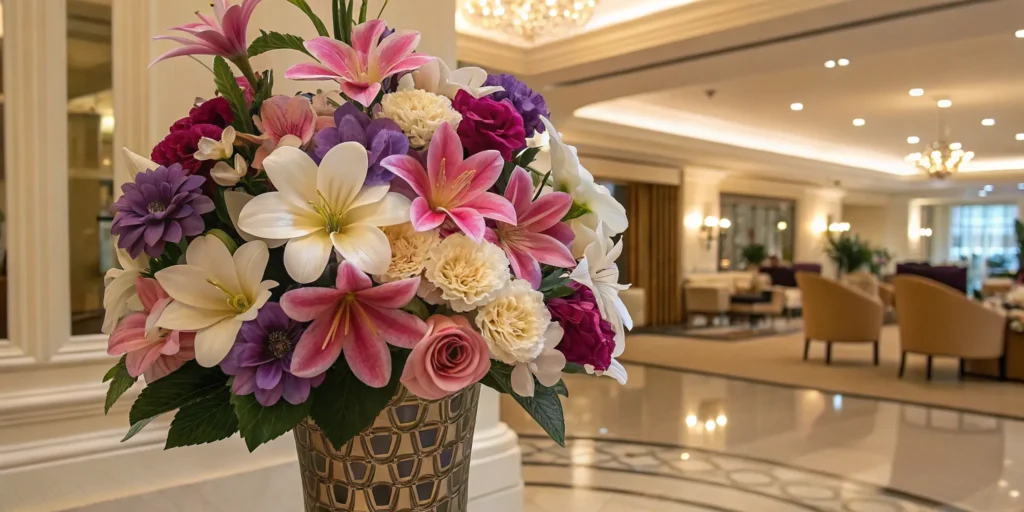
Artificial flowers are no longer limited to decoration. They are getting more and more popular as permanent floral solutions for hotels, offices, restaurants, and retail chains.
People value consistent color, shape, and volume across multiple locations. Long-lasting floral arrangements provide branding consistency while eliminating replacement cycles associated with fresh flowers.
Top 10 Artificial Plants for Interior Design in 2026
Based on production volumes, designer specifications, and retail sales data, these ten artificial plant types dominate interior applications in 2026:
Artificial Grasses
Ornamental grasses and performance turf are transforming modern interior. Tall fake onion grass and feathery pampas plumes provide soft vertical movement. They are ideal for office partitions and room dividers with a “wild” organic feel. High-density artificial turf for commercial breakout zones is a rising trend for retail and office projects. This premium synthetic grass creates a durable, park-like feel indoors. Decorative grasses offer a tactile green surface and stay perfectly manicured even under heavy foot traffic.
Artificial Roses in Vases
Classic elegance never fades, and artificial roses represent our highest-volume floral product. Available in dozens of color variations and arrangement styles, these pieces serve everywhere from hotel rooms to executive offices. The key to quality involves petal construction. Our premium roses feature layered, varied-thickness petals, subtle color gradations and realistic edges.
Popular shades like creamy white, champagne, and dusty mauve are leading the trends for 2026. These elegant faux rose arrangements are perfect for luxury hotel suites, executive offices, and reception desks. They provide a permanent sense of romance and sophistication without the high cost or wilting of fresh bouquets.
Faux Olive Trees for Modern Interiors
The Mediterranean aesthetic trend has made olive trees exceptionally popular. Their sculptural branching, silver-green foliage, and association with European sophistication appeals across design styles.
We manufacture olive trees from 4 to 14 feet tall with hand-shaped trunks and realistic texture. Our clients use these as standalone focal points in modern living rooms, flanking restaurant entries, or in multiples creating intimate zones.
Artificial Palm Trees
Tropical and resort-inspired design continues strong, making palm trees consistent best-sellers. From areca palms to kentia palms to bird of paradise, these palm plants deliver instant vacation atmosphere.
Our manufacturing emphasizes naturally arching fronds with appropriate weight and movement, realistic trunk textures, and botanically accurate frond counts and arrangements. Commercial applications include hotel lobbies, restaurant patios, spa reception areas, and retail environments targeting leisure lifestyle associations. The variety of palm species available allows designers to specify authentic types for their intended aesthetic.
Fake Hanging Baskets
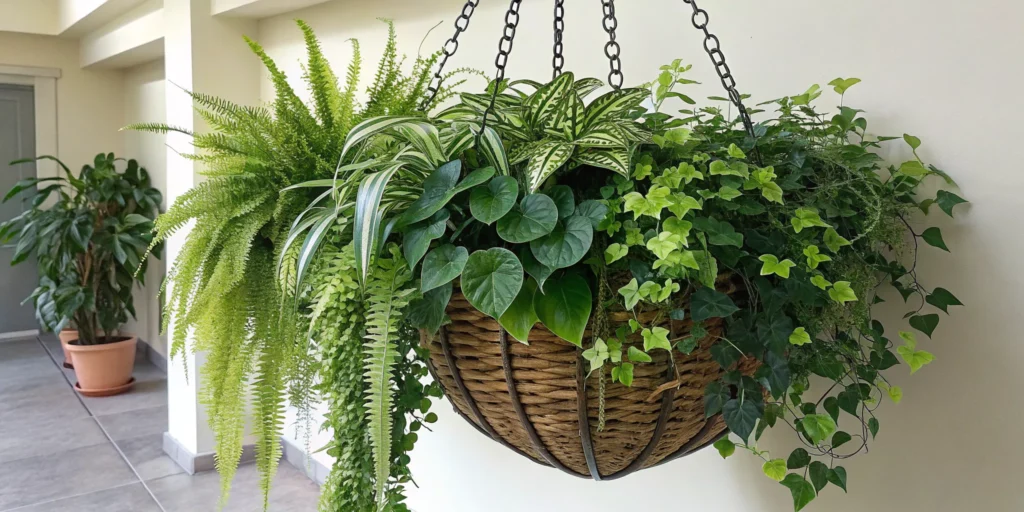
Vertical space utilization makes hanging plants increasingly important, particularly in compact home interiors. Hanging baskets featuring trailing plants like ivy, ferns, pothos, or string of pearls add dimensionality to room design.
We’ve developed weighted basket systems that hang naturally without tilting. Most interior designers use these in residential kitchens, boutique retail displays, restaurant ceilings creating overhead interest, and residential patios. The installation flexibility allows greenery in locations where watering hanging live plants would be impractical.
Artificial Cherry Blossom Trees
Few plants deliver the emotional and aesthetic impact of cherry blossoms. These delicate, romantic trees have transcended their traditional Asian design associations to become popular across diverse interior styles.
FeelReal cherry blossom production involves hand-attached blossoms on naturally branched structures. Our cherry blossom trees are available in traditional pink, white, and increasingly popular blush tones. Our customers incorporate these as statement pieces in residential entryways, restaurant features creating memorable dining experiences, event spaces, and retail environments during spring seasons.
Artificial Bonsai Tree
Bonsai represents the intersection of nature and art—sculptural, contemplative, and culturally significant. Our artificial bonsai range from small desktop sizes to substantial 36-inch specimens suitable as focal pieces.
Manufacturing quality bonsai requires artistic sensibility—each piece is essentially hand-sculpted with carefully positioned branches, appropriate foliage density, and authentic pot selection. The timeless aesthetic ensures these pieces remain relevant across changing design trends.
Faux Fiddle Leaf Fig Tree
Perhaps no plant has dominated interior design imagery in recent years more than the fiddle leaf fig. Its large, sculptural leaves and upright growth habit create architectural impact. We manufacture fiddle leaf figs from compact 3-foot versions to substantial 10-foot trees. Our premium versions feature thick, substantial leaves with realistic venation, natural color variation, and appropriate surface texture. The universal appeal and Instagram-worthy appearance ensure continued strong demand.
Fake Orchids
Orchids represent luxury, refinement, and exotic beauty, so thyey are popular in high-end interiors. Quality artificial orchids require intricate hand-assembly—each petal shaped, colored, and positioned individually for authentic appearance. Most of our designer clients specify these for hotel guest rooms, spa reception areas, luxury retail environments, executive offices, and residential bathrooms and bedrooms. The exotic appearance communicates attention to detail and design sophistication.
Artificial Boxwood Hedge
Boxwood’s dense, uniform foliage and traditional association with formal gardens make it valuable for both interior and exterior applications. We produce boxwood in various formats: hedge panels, topiaries, balls, and wreaths. The primary application involves creating green walls, partition elements, or architectural features in commercial interiors.
Retailers can use boxwood to define spaces, restaurants employ it for booth dividers creating intimacy, and event spaces utilize modular panels for flexible space configuration. The classic, neutral green appearance works across traditional and modern design.
Best Interior Spaces to Use Artificial Plants in 2026
Living Rooms & Open-Plan Homes
Residential living spaces benefit enormously from artificial plants’ combination of aesthetic impact and practical advantages. In open-plan layouts increasingly common in modern homes, large artificial trees create vertical interest and help define functional zones without hard architectural divisions. A substantial olive tree or fiddle leaf fig positioned between living and dining areas provides visual separation while maintaining openness.
Interior designers we work with emphasize using artificial plants in living rooms where natural light may be limited. And, homes with pets or small children benefit from eliminating concerns about toxic plants, soil spillage, or plant damage.
Offices & Corporate Interiors
Corporate environments represent one of our largest market segments. Workplace design increasingly emphasizes biophilic principles—incorporating natural elements to improve employee wellbeing, productivity, and satisfaction. Artificial plants deliver these benefits without the facility management challenges of maintaining living plants across large commercial spaces.
More and more designers use artificial greenery for reception areas creating positive first impressions, conference rooms adding warmth to potentially sterile spaces, and open office workstations providing personal touches.

Hotels, Restaurants & Cafés
Hospitality environments demand impeccable aesthetic presentation while managing operational efficiency. Hotels use artificial greenery throughout guest experiences: dramatic trees in lobby areas, arrangements at reception desks, small plants in guest rooms, and greenery in breakfast areas, bars, and restaurants.
Restaurant designers we collaborate with use artificial plants extensively to create ambiance, define spaces, and reinforce concept themes. Mediterranean restaurants favor our olive trees and rosemary. Tropical concepts use palms and banana plants for an exotic touch. Urban cafés rely on hanging plants and green walls to create Instagram-worthy backdrops.
Retail Stores & Showrooms
Retail environments use artificial plants strategically to enhance merchandise presentation, create inviting atmospheres, and support brand identity. Fashion retailers use greenery to soften industrial aesthetics or complement natural, organic brand positioning. Furniture showrooms incorporate plants in vignettes helping customers visualize products in home settings. Luxury retailers use statement plants communicating quality, refinement, and attention to detail.
Lobbies & Reception Areas
First impression spaces—building lobbies, office reception areas, hotel entries—represent critical applications. These spaces receive heavy traffic, often feature challenging environmental conditions.
Large-scale installations work particularly well in these high-ceiling, spacious environments. Substantial artificial trees, vertical green walls, or dramatic floral arrangements create memorable visual impact.
Conclusion:
From a factory perspective, artificial plants in 2026 will no longer be mass-produced decorations. They are collaborative design solutions. Successful projects start with understanding space, function, and long-term performance. Customization, realism, and durability now define the best artificial plants for interior design.
As interior design continues to evolve, artificial greenery will remain a key tool for creating beautiful, functional, and sustainable spaces. Are you sourcing for a 2026 project? At FeelReal, we manufacture professional-grade faux greenery specifically designed for the B2B market. Contact us today for our latest wholesale catalog or a custom project quote to get started.